
Quick Answer:
The ultimate Feng Shui layout for an L-shaped room is to visually divide the space into two separate, regular zones (like a square and a rectangle) using open bookshelves, rugs, or screens. This structural division cures the energetic “missing corner” common to irregular rooms, slows down rushing Qi (energy), and establishes a balanced environment where energy can circulate organically.
Have you ever walked into a room and felt instantly unsettled, even if the decor was gorgeous? That was my exact reality a few years ago when I moved into a home with a sweeping, open-concept, L-shaped floor plan. On paper, it looked modern and spacious. In reality, it felt like an energetic wind tunnel. No matter how I rearranged my couch or where I put my favorite armchair, the space felt cold, fragmented, and deeply uninviting.
As a professional interior designer specializing in spatial harmony, I knew exactly what the culprit was: disrupted energy flow. L-shaped spaces are notoriously difficult because they break the traditional rules of geometry. In classical Feng Shui, irregular rooms create missing sectors on the Bagua map (the energy blueprint of a home), which can leave certain areas of your life feeling unsupported.
Through trial, error, and plenty of hands-on experimentation, I discovered that you do not need to tear down walls to fix an awkward floor plan. With strategic furniture choices, mindful color selections, and a few ancient cures, you can turn a chaotic room into a peaceful sanctuary. Here is my complete, real-world guide to mastering Feng Shui layout ideas for L-shaped rooms.
Understanding the L-Shaped Dilemma: The Missing Corner
In classical Feng Shui, the ideal room shape is a perfect square or rectangle. These shapes allow Qi—the vital life-force energy—to circulate smoothly and evenly. When a room folds into an L-shape, it creates a geometric void.
When you overlay a bagua map for irregular rooms, you will quickly notice that the inner angle of the “L” causes a portion of the grid to sit completely outside the walls of your home. This area is known as a feng shui missing corner. Depending on where this missing sector falls on your floor plan, it can symbolically impact various life areas, such as your wealth, relationship, or career sectors.

Beyond the symbolic missing corner, the physical geometry of an L-shaped space creates a harsh structural edge where the two sections meet. This sharp, protruding corner cuts into the room like an invisible blade, projecting “Sha Chi” (cutting or negative energy) directly into your living space. Furthermore, energy tends to accelerate down the long corridors of the room and pool stagnation in the dead ends, leaving you feeling simultaneously drained and restless.
The Golden Rule: Divide and Harmonize
The absolute single most effective strategy for managing feng shui energy flow in l shaped rooms is to visually and energetically slice the space into two distinct, regular zones. By treating the layout as two separate entities—such as a dedicated dining area and a separate sitting room—you effectively erase the geometric irregularity.
Years ago, during a challenging consultation for a client’s open-plan home, I witnessed just how powerful this technique can be. The client was constantly stressed, and her family rarely gathered in their spacious living area. The room was a massive L-shape, with furniture scattered aimlessly across the floor.
We applied simple feng shui room layout tips to divide the space. We anchored a cozy conversation zone in the long arm of the L using a plush, low-backed sofa, and dedicated the shorter arm entirely to a quiet reading nook. Within weeks, the client reported that her family naturally gravitated back to the room, noting that the space finally felt anchored and calm.
Best Feng Shui Layout for an L-Shaped Living Room
The living room is the energetic heart of the household, a place meant for connection, relaxation, and rejuvenation. When arranging the best feng shui layout for l shaped living room zones, your primary goal is to establish two distinct functional areas while keeping the pathway between them completely clear.
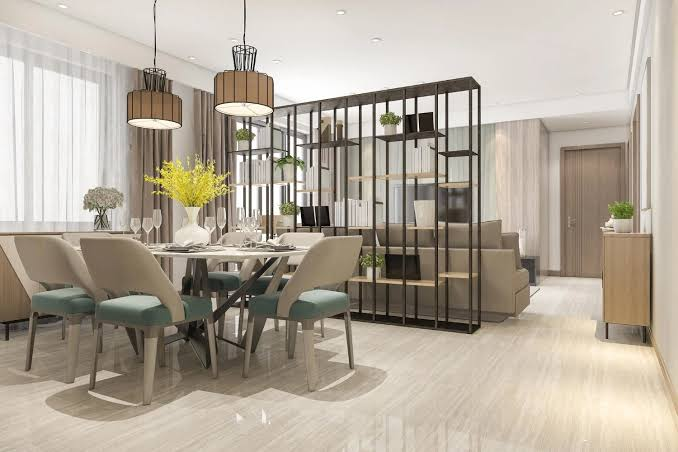
1. Choose the Right Anchor Pieces
When sourcing the best feng shui furniture for l shaped spaces, avoid sprawling, oversized L-shaped sectional sofas. While they seem like a logical fit for the wall contours, they often accentuate the awkward angles and trap energy against the perimeter. Instead, opt for a classic three-seater sofa paired with two independent armchairs. This setup provides ultimate flexibility and allows Qi to drift effortlessly around the seating arrangement.
2. Implement Smart Zoning
Use your furniture to create soft boundaries. Place an open-backed bookshelf perpendicular to the long wall at the junction where the room bends. This serves as a psychological and energetic divider without blocking natural light. Alternatively, define each zone with its own large, distinct area rug. The rugs act as visual anchors, telling the eyes—and the energy—exactly where one experience ends and another begins.
3. Clear the Central Pathway
Never block the internal corner where the room turns. If you place a heavy piece of furniture directly in the crook of the L, you choke the energy flow. Keep the transitional path wide and clear so you can walk from one side of the room to the other without bumping into a single table leg.
Best Feng Shui Arrangement for an L-Shaped Bedroom
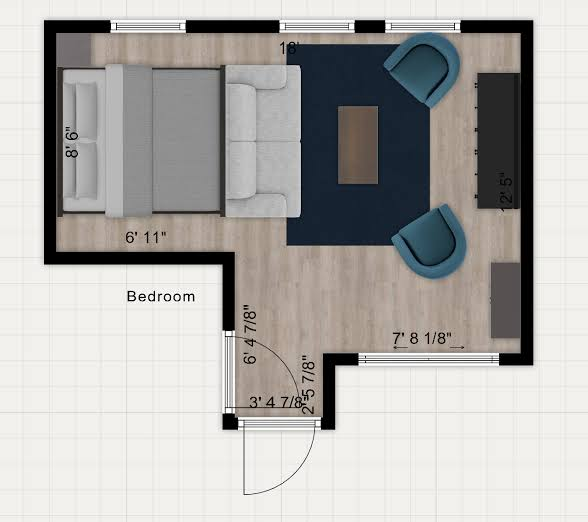
An L-shaped bedroom poses a unique challenge: the shape naturally splits focus, which can disrupt the deep, restorative rest required for optimal health. The key to the best feng shui arrangement for l shaped bedroom designs is to place the bed as far away from the visual split as possible, ideally keeping it completely out of sight from the secondary alcove.
The Commanding Position
Your bed must always rest in the “commanding position”—meaning you have a clear view of the entrance door from the mattress, without being directly in line with it. In an L-shaped room, always designate the larger, deeper section of the room as the sleeping zone.
Managing the Secondary Space
The smaller branch of the L should be reserved for low-energy, passive activities, such as a dressing area or a small meditation corner.
A Professional Warning: Avoid putting a busy home office desk or a collection of workout gear into the alcove of your bedroom. Even if it is tucked around the corner, your subconscious mind registers the active, stressful energy of work and exercise, which can directly trigger insomnia and nighttime restlessness.
Best Feng Shui Tips for an L-Shaped Home Office
With remote work remaining a staple of modern life, maintaining focus in an irregular office space is vital. The best feng shui tips for l shaped home office layouts revolve entirely around focus, productivity, and protection from corporate vulnerability.

Desk Placement Strategy
When working with an L-shaped desk, the most common mistake is pushing the desk deep into the corner, forcing you to stare directly into a blank wall with your back exposed to the entrance of the room. This layout leaves you structurally vulnerable and can lead to professional anxiety.
Instead, position your chair so your back is firmly supported by a solid wall, with a clear view of both the door and the window. Let the longer arm of your desk extend out like a protective wing into the room.
Deflecting Sha Chi
If your office space contains a sharp, protruding wall corner pointing toward your desk, you are sitting directly in the line of Sha Chi. This can cause mental fatigue and creative blocks. Soften this sharp edge immediately by placing a tall, leafy plant or hanging a soft fabric banner directly in front of the protruding angle.
Strategic Cures: Color, Plants, Mirrors, and Remedies
When you cannot move walls or change a floor plan, classical Feng Shui utilizes structural adjustments and elemental additions to alter how energy interacts with a space. These feng shui room shape remedies act as energetic medicine for an awkward home layout.
Best Feng Shui Colors for L-Shaped Rooms
Color is a powerful tool to visually unify or intentionally divide an irregular space. If you want to blend the two sections of an L-shaped room into a singular, cohesive experience, paint the entire space in warm, grounding earth tones like soft beige, cream, or muted terracotta. These hues stabilize shifting energy.
Conversely, if you want to emphasize the functional split, use subtle color blocking. You might paint the living area a calming, soft sage green (Wood element) and the connected dining area a light, uplifting linen white (Metal element).
Best Feng Shui Mirrors for L-Shaped Rooms
Mirrors are the ultimate feng shui missing corner cure because they create the illusion of depth, symbolically expanding a wall out into a void. Hang a large, high-quality mirror on one of the inner walls of the L-shape, facing toward the interior of the room. The mirror will visually push the wall outward, reflecting light and energy into the space to artificially complete the missing sector of the Bagua map.
Note: Ensure the mirror reflects something beautiful, like a healthy plant or art piece, rather than piles of clutter or a bathroom door.
Best Feng Shui Plants for L-Shaped Rooms
Plants introduce vibrant, living Wood energy, which naturally draws Qi upward and keeps it from stagnating in dead zones. Place tall, robust feng shui plants for l shaped rooms—like a Fiddle Leaf Fig, a Snake Plant, or a lush Peace Lily—deep in the farthest corners of the room. The living energy of the plants will gently nudge stagnant air back into active circulation, acting as wonderful feng shui corner solutions for dark alcoves.
Real-World Troubleshooting: My Lessons Learned
Over my years of practice, I have made mistakes that taught me more than any textbook ever could. Early in my career, I attempted to cure a severe L-shaped living room by placing a massive, heavy crystal chandelier right at the geometric turning point of the room, thinking it would radiate energy evenly into both zones.
It was a total disaster. The heavy fixture amplified the rushing energy, making the transition point feel incredibly intense and overwhelming, while the far ends of the room became completely cold and abandoned.
That failure taught me a vital lesson: balance requires distribution, not centralization. Instead of using one massive focal point, use a series of smaller, balanced lighting solutions. Place a warm floor lamp in the dark corner of the alcove, use under-cabinet lighting on shelving units, and select soft, eye-level ambient lamps for your side tables. This distributed lighting approach coaxes energy to explore every square foot of your home gently.
Quick Reference Summary Table
| Room Type | Primary Challenge | Best Furniture Choice | Top Feng Shui Cure |
| Living Room | Rushing energy, fragmented seating | Independent 3-seater sofa + armchairs | Large area rugs to define individual zones |
| Bedroom | Fractured focus, sleep disruption | Solid wooden headboard against a main wall | Low-energy zoning (Keep workspace out of the alcove) |
| Home Office | Back exposed to door, corner stagnation | Executive desk facing the entrance | Tall, leafy plants to soften protruding wall edges |
Frequently Asked Questions
How do I apply the Bagua map to an L-shaped house?
To apply the Bagua map to an irregular room, align the bottom of the map with the main entrance wall of the room. Draw straight extensions from your outer walls to turn the L-shape into a complete square on paper. The area that is physically missing from your room layout represents the missing sector. You can strengthen this void by placing mirrors or artwork depicting deep perspectives on the interior walls that border the missing space.
Can I use a sectional sofa in an L-shaped living room?
While you can use a sectional, it is generally not recommended if you want optimal energy flow. Sectionals lock you into a single configuration, often forcing you to place a large block of furniture against an awkward wall or right in the path of natural traffic. If you must use a sectional, choose one with clean, rounded corners and low backs, and ensure it does not block the transition pathway between the two wings of the room.
What is the easiest feng shui missing corner cure?
The easiest and most effective cure is placing a tall, healthy living plant accompanied by a warm light source (like a floor lamp) right at the interior corner where the room turns. The upward growth of the plant combined with the expansive energy of light effectively fills the physical and energetic void, drawing fresh Qi into the room.
1 thought on “Feng Shui Layout Ideas for L-Shaped Rooms”