
Quick Answer:
The energy of micro-spaces is governed by how seamlessly fluid layouts, emotional comfort, and functional efficiency interact. Maximizing tiny homes or urban studios isn’t just about shrinking your belongings; it requires intentional space optimization, strategic multi-functional furniture, and layouts that prevent physical and psychological stagnation. By mastering modular systems and energy flow, small spaces can feel more expansive and rejuvenating than traditional, sprawling homes.
Table of Contents
The Hidden Power of Small Spaces
A few years ago, I moved into a 320-square-foot studio apartment in the heart of the city. On paper, it looked like a claustrophobic nightmare. My friends warned me I would feel trapped, suffocated, and restless. For the first two months, they were absolutely right. I constantly bumped my shins against a bulky traditional coffee table, my closet was overflowing, and the air felt heavy and stagnant.
That was my first real-world failure in compact living. I had tried to force large-scale living habits into a pint-sized footprint.
Everything changed when I stopped treating my apartment as a shrunken house and started viewing it as a dynamic system. Small space design isn’t about deprivation; it’s about momentum. When every square inch serves a purpose, the vibe of the room changes. The sense of confinement vanishes, replaced by a feeling of control, ease, and intimacy. This is the core principle of urban micro-housing: managing the physical and emotional energy of a limited footprint to create a sanctuary that recharges you.
Understanding Energy Flow in Small Spaces
In a large home, a messy corner or an unused room simply exists out of sight. In a micro-space, that same clutter acts like a dam in a small stream—it completely blocks the flow of the room. Bad layouts can genuinely drain your mental battery. If you have to shuffle three items out of the way just to open a cabinet, your home is working against you.
True space optimization requires looking at traffic patterns and sightlines. When you walk through your door, does your eye travel smoothly toward a window, or does it hit the back of a massive sofa? Keeping central pathways clear and maintaining a low visual profile prevents that “boxed-in” feeling.
Lighting also plays a massive role in energy flow in small spaces. Heavy, dark drapery chops up a room. Instead, using sheer fabrics and placing mirrors opposite windows bounces natural light deep into the floor plan, instantly tricking your brain into sensing a much larger volume of air.
Read More: Feng Shui Living Room Energy Flow Tips
Smart Floor Plans and Layout Strategy
When designing a layout for a tight footprint, forget traditional room definitions. You don’t have a dedicated bedroom, dining room, and office; you have a single environment that must gracefully transition between sleeping, working, eating, and relaxing.
The Power of Zoning
Instead of solid walls, use visual cues to define zones. A simple area rug can anchor what becomes the “living room” during the day. A sheer ceiling-mounted track curtain can instantly isolate your sleeping area without blocking precious light.
Best Flexible Living Room Layouts
The absolute worst thing you can do is push all your furniture flat against the walls in hopes of leaving an empty space in the center. This actually highlights the room’s limits. Instead, try pulling a sleek sofa a few inches away from the wall, or place a low bookcase perpendicular to a wall to act as a subtle room divider.
+------------------------------------------+
|  [ Sleeping Zone ]    :  [ Living Zone ] |
|  Bed / Daybed         :  Sofa            |
|                       :  (Low Rug)       |
|.......................:..................|
|  [ Workspace / Eating ]                  |
|  Drop-leaf Desk                          |
+------------------------------------------+
Furniture That Works Double Duty
If you are hunting for the best furniture for micro-apartments, look for pieces that possess a high “utility-to-footprint” ratio. Every single item must do at least two things, or it doesn’t earn its keep.
Through trial and error, I discovered that the best multi-functional furniture for urban living balances mechanical simplicity with durable hardware. Early on, I bought a cheap, imported transforming coffee table that lifted up to become a dining table. Within three months, the internal springs warped, and it became a lopsided hazard.
Lesson learned: when buying transformable furniture, invest heavily in the quality of the hinges and joints. Look for solid steel mechanisms and smooth pneumatic assists.
Essential Pieces to Look For:
- The Storage Ottoman: Functions as footrest, extra seating, and a hidden vault for extra blankets.
- The Drop-Leaf Table: Acts as a slim console against the wall until unfolded to feed four guests.
- Nesting Tables: Provides surface area when entertaining, then tucks away cleanly into a single footprint.
Advanced Storage Concepts for Studio Apartments
The secret to a peaceful micro-home is simple: if you can see everything you own all the time, your brain will never fully relax. Visual noise is a silent energy killer. Therefore, finding the best storage ideas for studio apartments is critical to maintaining a minimalist interior design.
Vertical Thinking
Most people stop organizing at eye level. In a micro-apartment, the space between the top of your doors and the ceiling is gold mine territory. Install high, perimeter shelving painted the exact same color as your walls. Use these high shelves for seasonal items, books, or gear you only touch a few times a year. Because they sit above your natural line of sight, they don’t crowd the room.
Under-Bed Real Estate
If you aren’t using a loft, your bed frame should be a storage powerhouse. Avoid flimsy plastic bins that collect dust rabbits. Instead, opt for platform beds with deep, integrated wooden drawers on wheels. This is the premier spot for heavy winter coats, linens, and shoes.
The Tiny Home Revolution
Shifting our focus to standalone small structures, the best space-saving solutions for tiny homes often require integrating the furniture directly into the architecture itself.
Best Convertible Furniture for Small Spaces
In a tiny home, a standard sofa or static bed is often an inefficient use of space. This is where the best modular systems for micro-living shine. Imagine built-in wall benches where the cushions lift up to reveal deep storage wells, and the backrests flip down to bridge the gap between benches, instantly forming a guest bed.
Troubleshooting the Murphy Bed
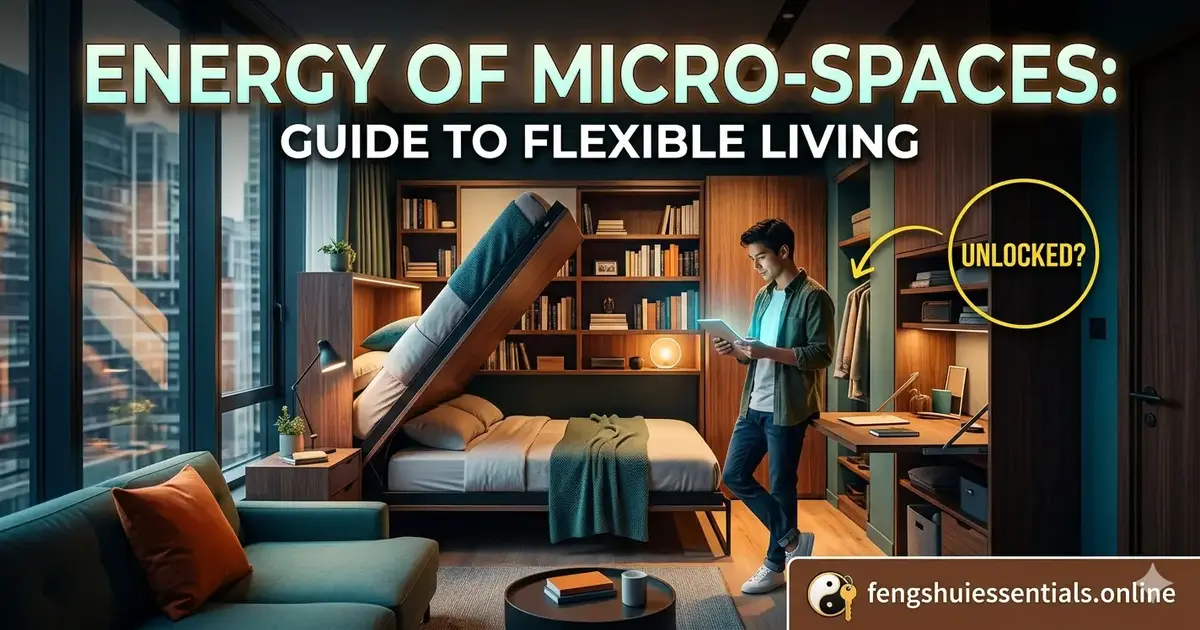
Many people view Murphy beds as the ultimate savior of small footprints. While they are fantastic for freeing up daytime floor area, they come with a distinct human catch: if the mechanism is heavy or annoying to lift, you will eventually stop folding it up altogether. When choosing a wall bed, test the counter-balance system. You should be able to raise and lower it easily with one hand. Furthermore, consider where your pillows and blankets go when it’s closed; if you have to strip the bed entirely every single morning, the system will fail your daily lifestyle test.
Efficiency by Design
A truly sustainable micro-space doesn’t just manage physical clutter; it manages resource consumption. Implementing the best energy-efficient designs for small homes ensures that your utility bills stay as low as your footprint.
Because small spaces have less air volume, they heat up and cool down incredibly fast. This makes insulation and smart ventilation paramount.
Key Efficiency Elements:
- High-Performance Windows: Double or triple-paned glass prevents drafts from ruining the comfort of a small room.
- Mini-Split HVAC Systems: These ductless systems offer pinpoint climate control exactly where you need it, avoiding the wasted energy of bulky traditional ductwork.
- Smart Air Circulation: A simple, high-quality ceiling fan set to rotate slowly keeps air from becoming stagnant, which is vital for maintaining freshness in flexible floor plans.
Real-World Case Studies and Layout Failures
Let’s talk about a major layout blunder I made during my third year of micro-living. I fell in love with a gorgeous, deep-seated sectional sofa. I convinced myself that because it fit the physical dimensions of my living zone, it would be perfect.
It was a disaster. The heavy, dark fabric absorbed all the light in the room. Because it lacked legs and sat completely flush to the floor, it looked like a massive boulder dropped into the middle of my apartment. It completely choked the room’s energy and made the space feel one-third of its actual size.
I replaced it with a sleek, mid-century modern sofa with high, tapered legs and a light linen upholstery. Instantly, the room breathed again. Seeing the floor extend underneath the furniture creates an illusion of boundless space.
Professional Tip: When choosing furniture for tight quarters, always look for pieces that stand on legs. Raising the bulk of the object off the ground lets light and air pass through, keeping the room’s energy light and buoyant.
Embracing the Micro-Living Lifestyle
Ultimately, thriving in a micro-space requires a mindset shift. It asks you to audit your relationship with physical objects. Every item brought across your threshold must serve your life directly, beautifully, or multi-functionally.
When you align your physical belongings with smart layout strategies, something incredible happens. You stop spending your weekends dusting empty rooms or organizing clutter. Your home becomes an efficient, high-energy launchpad for your life rather than a heavy anchor holding you down.
Quick Reference: Small Space Solutions
| Challenge | Smart Solution | Primary Benefit |
|---|---|---|
| Visual Clutter | Hidden Perimeter Shelving | Keeps items out of daily sightlines |
| Rigid Rooms | Flexible Floor Plans | Allows space to change throughout the day |
| Heavy Air | Mini-Split & Air Circulation | Maintains healthy, fresh air volume |
| Bulk Furniture | High-Legged Modular Pieces | Allows light to flow underneath furniture |
Frequently Asked Questions
What is the single best way to make a studio apartment feel bigger?
The most effective method is to maximize your visible floor space. Choose furniture that sits high on legs rather than flush to the ground, use large mirrors to reflect natural light, and keep your central walking paths completely clear of obstacles.
How do I prevent a micro-apartment from feeling cluttered?
Implement a strict “one-in, one-out” rule for physical belongings. Additionally, focus on closed storage solutions rather than open shelving to keep visual noise to an absolute minimum.
Are Murphy beds actually practical for daily use?
Yes, but only if you invest in a high-quality, counter-balanced system that requires minimal physical effort to lift. Look for models that allow you to keep the bedding strapped in place when folded up.For more information on optimizing your living arrangements:
For more information on optimizing your living arrangements:
To explore deeper concepts regarding home organization, layout architecture, or interior styling tips, you can always research new trends directly using the Google Search Bar.
Love It I Have Created More Articles Read on Our Website https://fengshuiessentials.online/